Could Snacking increase Obesity

It’s nearly 10am, you have been busy and it is about 3 hours since breakfast. You are feeling a bit cranky and have been watching the clock in anticipation of your mid morning coffee. It’s time to have a drink and to eat those snacks you packed this morning.


What you may not realize is that this is probably the very worst thing you can do for your body. It feels great, it tastes great and you have developed quite a habit of snacking during the day. Often more than 3 snacks in the day, with the last just before retiring to bed. That magazine article you read last weekend, suggested that eating more often would keep your metabolism humming along and that up to 6 meals per day was somehow optimum for your health and may even help you lose weight. They couldn’t be more wrong.


A myth has gradually developed that suggests snacking is healthy and while this is good for the companies making and selling snack foods, it works completely against the way your body is designed to function. Unfortunately this is also taught at nutrition school, but it just does not match how your body works. It is even claimed that this will reduce your total calories for the day, but research shows otherwise and we all know that counting calories is difficult and has no long term benefit.


It is now a well known and established fact that a continuous and high level of insulin is the driver of obesity. Obesity is a hormonal problem and is strongly driven by insulin. This hormone is responsible for fat storage. People who are on insulin injections or pills as part of Type-2 Diabetes treatment, gain weight. Proven fact. Type-1 diabetics whose pancreas can no longer make sufficient insulin, lose weight fast and will die unless they get some insulin. People who have a continuous high level of stress in their lives develop high cortisol levels, which leads to higher insulin and usually weight gain. Proven fact. People on any sort of drug that raises insulin are at serious risk of becoming obese. When we eat, regardless of what we eat, we stimulate the production of insulin which is released to manage glucose in the blood. Research shows that just thinking about eating can trigger insulin secretion. People who are continuously eating throughout the day as a result of snacking on top of 3 or 4 meals a day have a continuous high insulin level.


Hormones are chemical messengers within the body and normally operate in waves. The level is raised to signal or stimulate some action then it is deactivated or reduces normally so that the body does not become accustomed to a high level. This rest period from the action of the hormone allows the body to adjust and ensures that it will still be sensitive to the hormone when it is next released. Without this variation in exposure, the body becomes “adapted” to the hormone and this reduces its sensitivity. You may have already experienced this with other things such as alcohol, salt, sugar, drugs, chilies, sunlight etc. Continuous and high exposure to something desensitizes the body and a higher level is required in the future to achieve the same effect.


Historically your grand parents probably did not eat as often as we do now. I can remember my grandmother telling me that I was not allowed to snack as I would not eat my dinner later. Unfortunately the trend to consume more carbohydrates has helped drive us towards more eating times in the day. When the energy for your body comes predominately from refined carbohydrates such as sugar, flour, rice and foods made from these things, there is limited storage capacity in our bodies for the glucose, resulting in us feeling hungry again about 3 hours later. This encourages snacking to reload our blood sugar and the habit of regular snacking is started. Additionally the very ready availability of snacks from coffee shops, bars, vending machines and cafes also supports this trend.


Take a look at what is for sale in boxes beside the supermarket checkout and you will see plenty of sugar and grain based snack food, conveniently wrapped in smaller portions, sweetened for taste and ready to be purchased for any occasion that you feel the slightest need for extra energy. Unfortunately a tendency to wean children onto a diet of fruit purée, custards, rice, sweet yoghurt and cereals (all as ultra processed carbohydrates) rather than animal based foods will not help. Instead of learning to eat highly nutritious food, they are being trained to expect sweet food. This sweet tooth is further cultivated with sweet treats often used as rewards. These sweet foods stimulate higher levels of insulin secretion than either fats or protein.


When insulin is high plus it is continuous, both conditions are required, the result is a gradual adjustment by your body to the higher level of insulin. As a result the amount needed to achieve the necessary chemical signaling in your body must be raised. This higher level further drives even more raising of the needed level. This adjustment can take place over a number of years so that over this time which may be 10 or 20 years the insulin level just gets higher and higher in a viscous cycle. If insulin in high doses was not toxic to the body and did not promote obesity then this may not matter. But it is and it does promote obesity. This is popularly known as “insulin resistance”. The end game for the obese is often Type-2 diabetes and the end game for diabetics can often be heart disease, blindness, Alzheimer’s disease (Type-3 diabetes) and amputations. Nasty.


There are a number of signs that this condition is developing. Perhaps the easiest to see is if your stomach measurement is more that half the measure of your height. Let’s suppose your height is 170cm or 67 inches (5 foot 7 inches) then if your waist measurement is larger than 85 cm or 34 inches then you are probably developing insulin resistance and may be heading towards Type-2 diabetes. Skin tags can be a sign as are red patches (rosacea) on your skin or dark patches under your arms, your neck or between fingers (Acanthosis Nigricans).


Insulin resistance can also cause a higher level of male hormones (androgens) in women resulting in more hairiness and acne. It also drives up the risk of PCOS (polycystic ovary syndrome) contributing to a loss of fertility in women and is a major contributor to (ED) erectile disfunction in men.


Any way that you can reduce your exposure to excess insulin, will assist in reducing this problem. Ideally you would adjust when you eat and what you eat so that your body gets an opportunity every day to have at least half the day or more with a low insulin level. Unfortunately the longer that you have been exposed to this problem, the more difficult it is to reverse.


Examples of actions you can take from a diet (what to eat) perspective are:
– Drastically reduce the level of sugar in your diet whether from table sugar, added sugar in food or drinks, fructose, high fructose corn syrup, or from those refined carbohydrates such as flour, rice, potato and sugar and products made from these such as bread and pasta.
– You will need to read food labels to see what is included in the ingredients and be aware that sugar comes in many guises. For example “fruit juice concentrate” is really just another name for sugar.
– Cutting out fruit juices, beers, sweet beverages and soda is absolutely necessary. That glass of orange juice is not healthy.
– Avoid ultra-processed food as it is almost all made from refined flour, corn and sugar or contains these. The finer the processing, the faster it spikes insulin. The flour in a slice of white bread spikes insulin faster than refined sugar.
– Focus on eating foods that do not spike insulin strongly such as animal based foods, meat, eggs, cheese, dairy, fish, nuts, shellfish and plenty of fresh or frozen vegetables.
– Minimize fruit to about one piece per day or eat berries. Fruit sugar is fructose. Excess fructose leads directly to insulin resistance.


From a “when” to eat perspective. Stop snacking. Reduce the number of meals to 3 per day maximum with the last meal of the day at least 3 hours before bed time. No more snacking. For a more intensive detox, you may wish to confine your eating to 6 hours per day with a suggested window from 12 noon to 6 pm and then only drink water, or unsweetened beverages such as tea and coffee at other times. This means giving up breakfast. It is not the most important meal of the day and it will only be a short time until you no longer miss it. Breakfast cereal company marketing has been very persuasive. I have personally foregone breakfast for the last 4 years with only positive results. This 18 hour window of no food is known as intermittent fasting and truly gives the body a chance to experience a very low insulin period each day.

Review my book at bit.ly/3KJwedY or take a look at my blog at www.takebackyrhealth.com for free articles, ideas and help.


You might be looking at this advice and saying “I could never do this”. However only having these bad foods occasionally enhances your enjoyment of them. I am now 4 years into this way of eating and have fully adapted. I even eat sardines on occasions much to the disgust of my grandchildren.


If you are already on external insulin, you may feel that there is no slim future for you, but this is not the case. The old approach to treating Type-2 Diabetes was to add even more insulin to drive down the excess glucose level. But enlightened doctors are now recognizing that the first response must be to reduce the level of incoming glucose which can result in a much lower insulin need. After all high insulin is very damaging to your body. While the short term solution may require insulin, adjusting what and when you eat to match this advice can, in a surprisingly short time, (days) reduce the need for external insulin and in up to 50% of cases, over time, even reverse the Type-2 Diabetes entirely. For a Type-1 Diabetic this same advice can see a significant reduction in needed insulin. Doctors support definitely required for the transition.


If you are already on any form of medication for diabetes either Type 1 or Type 2 or for obesity, or for hypertension then you will need the assistance of your doctor to manage the likely changes in required medications. This is a serious need. Seek professional medical advice before making dietary changes, particularly if you have underlying health problems.


Good health, George Elder, Diet Researcher, Dip. Nutrition. www.takebackyrhealth.com
.
Why diets fail.

Most diets advocate; to lose weight you reduce calories and you will, but, only for a limited time. Reducing calories, drops your nutrients. Your metabolism slows to match the lower incoming calorie and nutrient level.

Your body chooses where to distribute the reduced available nutrients. Your brain gets priority. Your hair, skin and nails can probably function without the best nutrition for a while. These areas gradually lose their sparkle and energy. However, alarm bells will be going off in your brain with a strong message to upload more nutrients. This can make you hungry, tired and grumpy. Weight loss slows down and to maintain weight loss, requires further calorie reduction.

Few people can withstand this, eventually succumbing to their body’s demands for more food.

During WW II, the US Government commissioned a starvation study. The Minnesota Starvation Experiment. 36 male volunteers spent 6 months on 1600 calories per day. They ate mainly potatoes, turnips, bread and macaroni. A high carbohydrate diet.

They became depressed, lost concentration, became preoccupied with food and very distressed. Some ended up hospitalized, yet most weight loss programs use this type of approach to diet.

There is a better way. In the 1970’s, 2 researchers, Blackburn and Bistrian at Harvard Medical School developed a “protein-sparing modified fast” to treat obesity: 650 to 800 calories a day of nothing but fish and meat. Effectively no carbohydrates, making it a low-calorie keto diet. One publication highlighted the average weight loss of 700 people was nearly fifty pounds in four months. The patients felt little hunger. “They loved it,” Bistrian said. “It was an extraordinarily safe way to lose weight.” Sadly they stopped, because they mistakenly thought that low carbohydrate levels were unhealthy.

The difference between these diets is the carbohydrates. High carbohydrate diets with low calories, force your body into starvation mode because the resulting high insulin level prevents the body from accessing fat reserves. But if you become fat adapted, eating higher fats and very low carbohydrates, the body can use stored body fat to replace missing calories.

A successful way to get fat adapted is to severely reduce carbohydrates in your diet. Replacing most carbohydrates with good fats. Carbohydrates are not essential because your liver will make glucose from fat if needed.

I have eaten this way for 3 years. No weighing food or counting calories. I seldom feel hungry. Do I need carbs for exercise and energy? No way. I run, swim, use the gym, or kayak with no shortage of energy. Fat adapted people claim increased energy. My weight is down 11 kgs and blood pressure is back to normal.

Reducing calories does reduce weight, but unless done right, is unlikely to be sustainable.

Seek professional medical advice before any changes, particularly if you are on medication or have any underlying health problems.

Read my blog at “www.takebackyrhealth.com

You will find a link to my book.

Good health, George Elder, Diet Researcher, Dip. Nutrition.

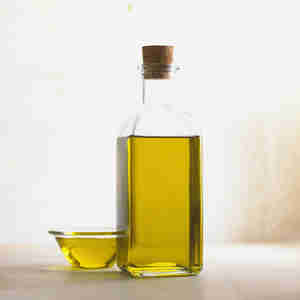
Are Vegetable Oils Killing Us?

It’s a puzzle! Despite extensive research on the dangers of excessive levels of linoleic acid in our diet and the resulting increase in heart disease risk, metabolic disease, hypertension, type-2 diabetes, macular degeneration, joint pain, and skin conditions such as eczema, we still do not have widely publicized advice to carefully control this intake. Linoleic acid is an Omega-6 polyunsaturated oil, sometimes referred to as industrial seed oil, or vegetable oil. Sometimes they are even marketed as “heart-healthy” fats and oils. @*#@*@!


From a chemical perspective, these polyunsaturated fats have molecules with multiple double bonds making them easily broken down and oxidized, creating novel polymers that are hugely unhealthy and a major source of inflammation within your body. The drivers of oxidation (becoming rancid) are higher temperatures, longer time, and light. Conversely saturated fats are very stable and therefore do not readily oxidize to form dangerous chemicals.


Back in the 1950’s through the 1980’s there has been a fear of saturated fat, which has now been shown to be unjustified. However, this fear, which was based on very poor research, encouraged people to move away from healthy animal fats to the “new” industrial seed oils. While this was happening, a very wealthy individual named Phil Sokolof in USA, convinced of health risks associated with fats and particularly coconut oils, created a media campaign to turn people away from this tropical oil towards industrial seed oils instead. A third factor in this diet change was the desire by the USDA (US dept. of agriculture) to support farm incomes during WWII and subsidies were provided for growing wheat and corn, lowering the costs of these ingredients.


Look in the supermarket, at the huge range of Omega-6 industrial seed oils on sale. They are usually labeled as vegetable oils, but you should easily spot the marketing trick. They are not made from vegetables at all. They include soybean oil, cotton seed oil, safflower oil, corn oil (a grain), peanut oil, sunflower seed oil, sesame oil, canola oil, etc. They are often packaged in dark bottles to minimize degradation by light and have added antioxidants to help prevent them going rancid (oxidizing) almost immediately.


The process of extracting them from seeds uses petroleum-based chemicals and high heat which makes it almost impossible for them to remain unoxidized before they reach the supermarket shelf. People buying them often keep them in their pantry for many weeks during which time they gradually become more and more rancid, so that when eaten, you could be putting dangerous compounds directly into your body.
Many highly processed foods contain these polyunsaturated oils because they are a cheap way to add fats to the food. Look in the ingredients list of processed foods for vegetable oil, soy oil, corn oil, hydrogenated or partially hydrogenated fats, etc.


The Sydney Diet Health Study (1966-1973) of 458 men, was an attempt to compare the consumption of saturated fats with polyunsaturated fats and to measure the impact on cardiovascular risk. The polyunsaturated fat group lowered the cholesterol level nicely, compared to the saturated fat group, but despite the lowered cholesterol, the rate of cardiovascular disease (CVD) and coronary heart disease (CHD) mortality of the polyunsaturated group significantly exceeded the saturated fat group. Here is their recently stated outcome:


“Advice to substitute polyunsaturated fats for saturated fats is a key component of worldwide dietary guidelines for coronary heart disease risk reduction. However, clinical benefits of the most abundant polyunsaturated fatty acid, omega 6 linoleic acid, have not been established. In this cohort, substituting dietary linoleic acid (omega-6 vegetable oils) in place of saturated fats increased the rates of death from all causes, coronary heart disease, and cardiovascular disease. An updated meta-analysis of linoleic acid intervention trials showed no evidence of cardiovascular benefit. These findings could have important implications for worldwide dietary advice to substitute omega 6 linoleic acid, or polyunsaturated fats in general, for saturated fats.”


A number of researchers including Bill Lands, a renowned veteran lipid researcher have focused on the Omega-6 consumption, particularly in USA. It has been known for some time that Omega-6 oils (linoleic acid) have a pro-inflammatory effect in the human body while Omega-3 oils have an anti-inflammatory effect. If these are kept in reasonable 1:1 balance, your natural antioxidant glutathione can mop up the free radicals created by the inflammation from the oxidizing of these oils. However, if these 2 oil groups get seriously out of balance, then the level of inflammation can drive very poor health outcomes. The modern diets of some younger people in USA can have levels of Omega-6 up to 40 x the Omega-3 level. This is a recipe for major health problems in their future.

In the last 145 years the typical dietary consumption of “vegetable” oils in USA, has gone from near zero to 80 grams per day per person. This growth rate closely matches the growth of metabolic syndrome, macular degeneration, and diseases such as diabetes and heart disease.


While Omega-6 is an “essential” fat, the essential level required is extremely low at no more than 1% of your calorie intake, while typical western diet levels can now be as high as 6%. A high level of Omega-6, or a high ratio of Omega-6 to Omega-3 is a clear indicator that the diet is heavy on seed oils which are already oxidized (rancid) before consumption as a result of the manufacturing process. It is the oxidation that is unhealthy about the seed oil consumption and drives up inflammation.


What does the linoleic acid (Omega-6) do in the body? It displaces the saturated fats that human bodies have used over thousands of years. I read that it can take up to 2 years to get the linoleic acid out of tissues and replace it with the healthier traditional fats. Here are some of the health impacts:

– Excess linoleic acid increases inflammation, which is a key driver for heart attack risk, hypertension, cancer, metabolic syndrome, macular degeneration, and many other health problems.
– Skin cancers are on the rise and the levels of polyunsaturated fat under the skin have been rising at about the same rate as the rise in skin cancers. This does not prove causality but people converting back to higher saturated fat diets frequently comment on the reduction in sun burn and the ability to stay out there longer without any problems. Our ancestors spent countless hours in the sun and survived to proliferate without cancers, despite having no sun creams, and they had very low levels of Omega-6 fats.
– There is strong evidence of a link between migraines and higher linoleic acid consumption.
– The cellular uptake of linoleic acid can result in greater production of substances, such as NHE, implicated in Alzheimer’s disease, Parkinson’s disease, Cancer, Atherosclerosis and Liver diseases.

Where does this high level of Omega-6 Linoleic Acid come from:

1. Industrial seed oils as mentioned, used at home, or used extensively for frying at restaurants or squirted onto hot plates, pans, and woks which the food is cooked in directly.
2. Packaged ultra-processed foods with vegetable oils, such as sauces, spreads, and creams.
3. Canned food with oils such as soybean oil with canned fish.
4. Shortening and margarines made from vegetable oils.
5. Grain fed animals such as Chicken and Pork. These mono gastric animals take up linoleic acid from the grain they eat, then you eat that meat. In USA, corn fed chicken is particularly high in linoleic acid.
6. Feedlot finished beef, the corn fed to these animals pushes up the linoleic acid in meat and the longer the animal stays in the feedlot, the worse the ratio of omega-6 to omega-3.
7. Farmed fish are often fed meal, made from grains such as soy and corn, driving up their omega-6 level.


In a report titled “Historical perspectives on the impact of n-3 and n-6 nutrients on health” by Bill Lands, a Standard American Diet was compared with a Mediterranean Diet. Using a USDA derived omega 3:6 balance list of 538 “Key Foods” consumed by Americans during 2007–2008. They identified the top 10 foods with the worst impact in the Omega 3:6 Balance. The simple step of deleting these ten food items with the most negative Scores converted the diet to “almost” the healthy level of a Mediterranean diet.


The removed items in order from worst to best, were:
1. soybean oil,
2. mayonnaise,
3. tub margarine,
4. microwave pop- corn,
5. ‘‘Italian’’ salad dressing,
6. potato chips,
7. stick margarine,
8. vegetable shortening,
9. peanut butter,
10. tortilla chip snacks.


Deleting these foods not traditionally present in Mediterranean meals changed the American ‘‘Key Foods’’ list to one that fits closer to a ‘‘Mediterranean diet’’. Conversely, adding these items to a Mediterranean diet would ‘‘Westernize’’ it in a way that has been happening gradually in Mediterranean regions. Maybe you need to look at how you can avoid these foods.


It is not only humans that become less healthy with excess linoleic acid in the diet. Animal feed researchers learned that when corn oil or soybean oil was used as a butterfat replacer in veal calf rations, the animals generally got sick and died. They eventually recognized the need to include an antioxidant (vitamin E) in veal calf rations containing oils rich in linoleic acid.


I read that manufacturers of these Omega-6 oils are apparently aware of these problems and are quietly trying to breed crops which produce a higher level of oleic acid oils (as found in olive oils) and a lower level of Omega-6 from which to manufacture their seed oils in the future.


What ways can you reduce the high-risk outcomes of consuming high levels of linoleic acid now?
1. Switch from using the above-mentioned seed oils to using olive oils, coconut oil, tallow, lard, avocado oil, butter, or ghee. Any fat that is solid at room temperature is much better.
2. Avoid food in restaurants which is fried as it will almost certainly be fried in vegetable oils.
3. For baking use coconut oil, butter, and Ghee.
4. Take care not to burn oils and fats by keeping temperatures below the smoke point, as this increases the oxidation risk.
5. Dispose if any old polyunsaturated oils as they will be somewhat rancid already.
6. Keep nuts in sealed containers in the refrigerator as they can also contain these oils and will go rancid readily. Buy small quantities so that you do not store them at home for long.
7. If you can, choose to grind nuts at home as once ground, the oxidation process is accelerated.
8. Eat foods with high omega-3 levels such as cold-water fish, like Salmon and Sardines.


In August 2020, the USA college of Cardiologists released a paper in which the following conclusion was stated:

Whole-fat dairy, unprocessed meat, and dark chocolate are Saturated Fat-rich foods with a complex matrix that are not associated with increased risk of heart disease. The totality of available evidence does not support further limiting the intake of such foods

A clever move would be to reduce your health risk, by minimizing consumption of Omega-6 seed oils and instead, return to the traditional animal fats that have been the staple dietary fats of our ancestors for thousands of years.

For more information on taking back your health and using food as medicine, look at my blog at: http://www.takebackyrhealth.com, where there is also a link to my book.
Good Health, George Elder

Changing what’s in the Mirror

A message to those of you who don’t like what you see in the mirror, particularly to young women.

You are bombarded by messages about body shape and size which may create feelings of inadequacy.  What to do?  One option is to ignore these completely and be yourself so long as your health is not being compromised.  However, if 2x your waist size is a number that exceeds your height then prioritizing your health might be a good move.

If you listen to the so-called “experts” parroting the standard advice, they will likely be telling you to eat less, get more exercise and avoid dietary fat.  They might even have gone as far as suggesting a plant-based diet.  While they will all firmly believe they are giving you great advice, unfortunately while it is well meaning it can be very misguided.

Modern science has uncovered lots of new information about what is healthy and unfortunately much of this does little to sell more food, drugs or supplements and because of this is ignored or lost amongst the thousands of articles, podcasts and medical reports that are newly published every day.  Because of what is known as “confirmation bias”, published articles are often only printed when they agree with the majority of readers views and therefore the conventional, out of date even discredited information is reprinted over and over despite the fact that we can clearly see it is not working.

Here are some things that you need to know:

  • Exercise is good for you and it can help build strength and flexibility which is very valuable, but it is unlikely to help much to lose weight.  Muscle weighs more than fat so it may even put weight on.  The tape measure can show you if it is working for you.
  • If you decide to just eat much less, your body will adjust for a lower level of available energy and it does so by restricting the amount of energy you use internally for body repair and maintenance until it matches the level available.  Your metabolism slows down.  Thus, vital body management functions are minimized, body temperature may reduce in your extremities, and you will feel lethargic because there is less energy available. Your body will adapt to this lower energy level over time (weeks), and once adapted, any loss of fat will stop.  This can happen with a relatively modest fat loss.  It also signals to your brain to get more food on board urgently making you feel very very hungry.  The result can be stiffness, brittle nails, hair loss, slower healing of wounds, more sickness etc. This is usually unsustainable for very long.
  • A danger is that your level of nutrition will also fall. You don’t just eat to fill your tummy; you need to ensure that you are getting all the nutrition including the vitamins and minerals you need to remain healthy.  Although you are getting food, the goodness may not be high enough.  Your immune system can become weaker, your body will get even less value from food due to poor digestion and you may find you have more brain fog, headaches, gastro intestinal problems, tiredness and many other issues.  If you avoid eating animal foods then this can be even more extreme because the level of nutrition in plants is lower due to lower starting levels and the impact of anti-nutrients.  Vitamins A, D, E, and K2 need fat with the food for absorption and vitamin B12 and Zinc come primarily from animal foods and a low level of these will definitely impact your health. Poor nutrition can have a devastating impact on a baby’s growth and development, particularly brain development and some of this can be irreversible, whether still in the womb or a toddler.
  • To reduce body fat, you need to put your body in a state where it will use some of your existing body fat stores every day.  This is surprisingly simple once you understand what is happening.  First you need to adjust your body so that the level of glucose goes low regularly and when this happens it will switch over to consuming body fat. By eating more protein, up to 1.5 grams for each Kg of body weight, a little more fat, and cutting down on carbohydrates from processed foods, sugar and grains you will train your body to use up stored fat reserves.  Carbohydrates are sugars and it is these that convert to fat in your body.
  • While you are making these changes, a very healthy change is to minimize the use of vegetable oils and replace these with olive oil, coconut oil, flax seed oil or avocado oils.  If you are happy to eat animal sourced food then anima fats, eggs, liver, chicken, red meat etc.  are all excellent sources of nutrients.  Most food outlets fry in vegetable oils so best to avoid these if you can as they can be toxic long term.  If you thought that meat could increase your risk of cancer then be aware that this is another myth spread by people who want to change your diet for their benefit, not for your health. Research shows that colon cancer is actually higher in vegetarians than meat eaters.
  • Over a short time you will find that you no longer feel hungry between meals.  You should adapt to this by only eating when you are hungry and stop once you feel full.  At this stage you might like to consider intermittent fasting with my recommendation being to give up breakfast and switch to only 2 meals a day and don’t have any snacks between meals.  This can result in you eating lunch and dinner then having about 16-18 hours of evening, night and next morning when you only drink water or similar. 
  • You don’t need to really change much about your diet except to avoid those sugars, grains and processed food.  A good meal might consist of a steak, some vegetables and a small piece of fruit for dessert.  Don’t have fruit juices of smoothies as they push up the sugars, but one whole piece of fruit each day should be OK.
  • Only check the scales occasionally as they are more impacted short term by the level of liquids in your body.  Stay hydrated preferably with water and definitely avoid the sweetened sodas.
  • If you want a name for eating this way you can call it low carb, Atkins, Keto or Paleo as they all have very similar approaches.  A cookbook or two can help with planning your new meals.

George Elder, Author, “Take Back Your Health”, 
Available on Amazon eBook US$ 3.99, or Paperback US$ 7.99
now at http://www.eldergeo.com